Going to Altitude After Diving May Be a Problem Because KianakruwHester
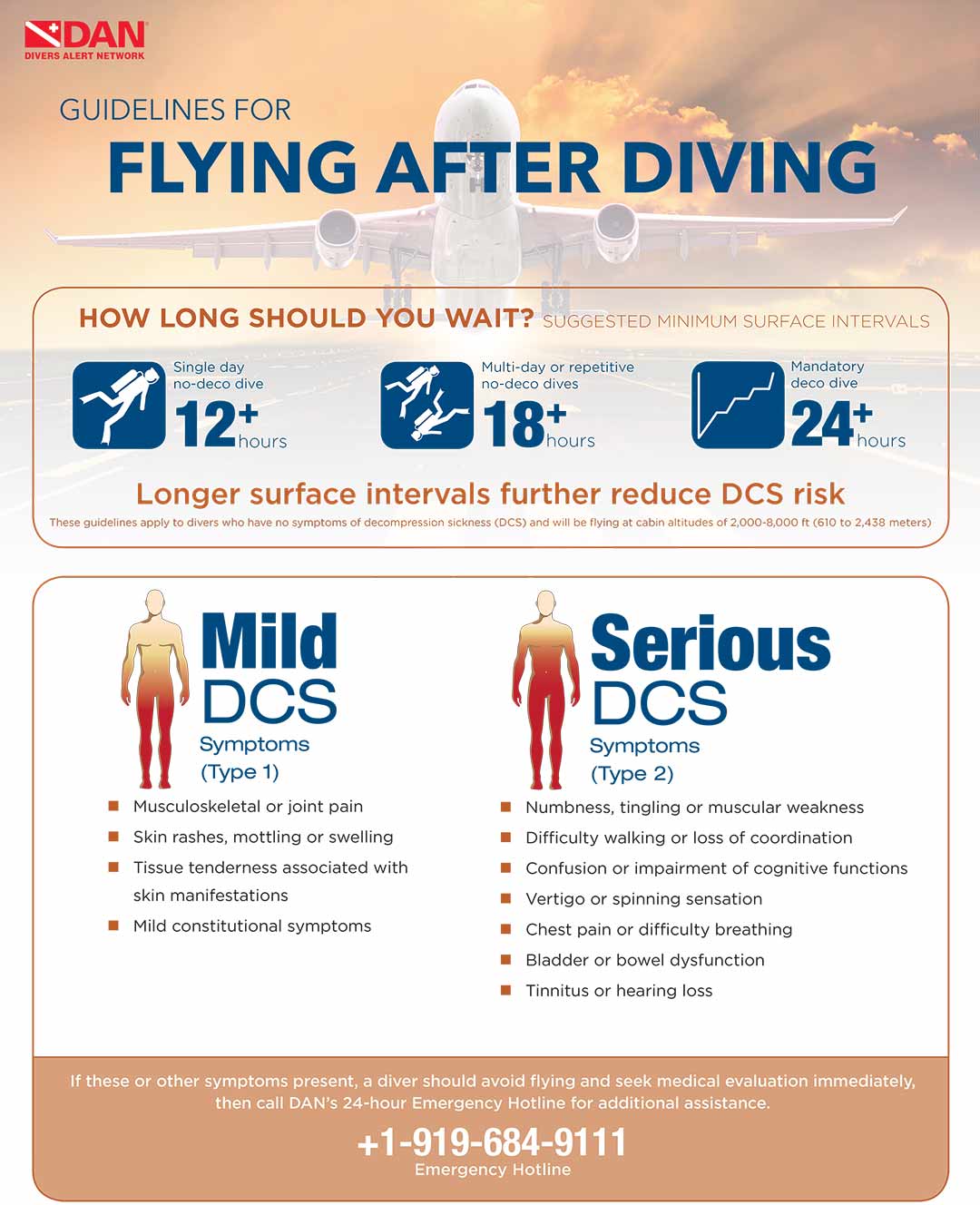
Deeper and longer dives will leave you with more residual nitrogen, thus requiring a longer pre-flight surface interval. The time you should wait relates directly to the pattern of diving completed. We recommend a general practice of allowing a surface interval of 24 hours or more before flying after diving.
Flying After Diving How Long Should You Wait before flying?
The relative difference (and corresponding pressure gradient) between the atmospheric pressure and the pressure underwater increases. Therefore, the impact of scuba diving to any given depth is proportionally greater than it would on the same dive at sea level. Because of this, altitude dives have shorter no-decompression/no-stop times.
Altitude Diving with Claude, SeaVentures Aquatic Center Swimming, Snorkeling & Scuba Diving

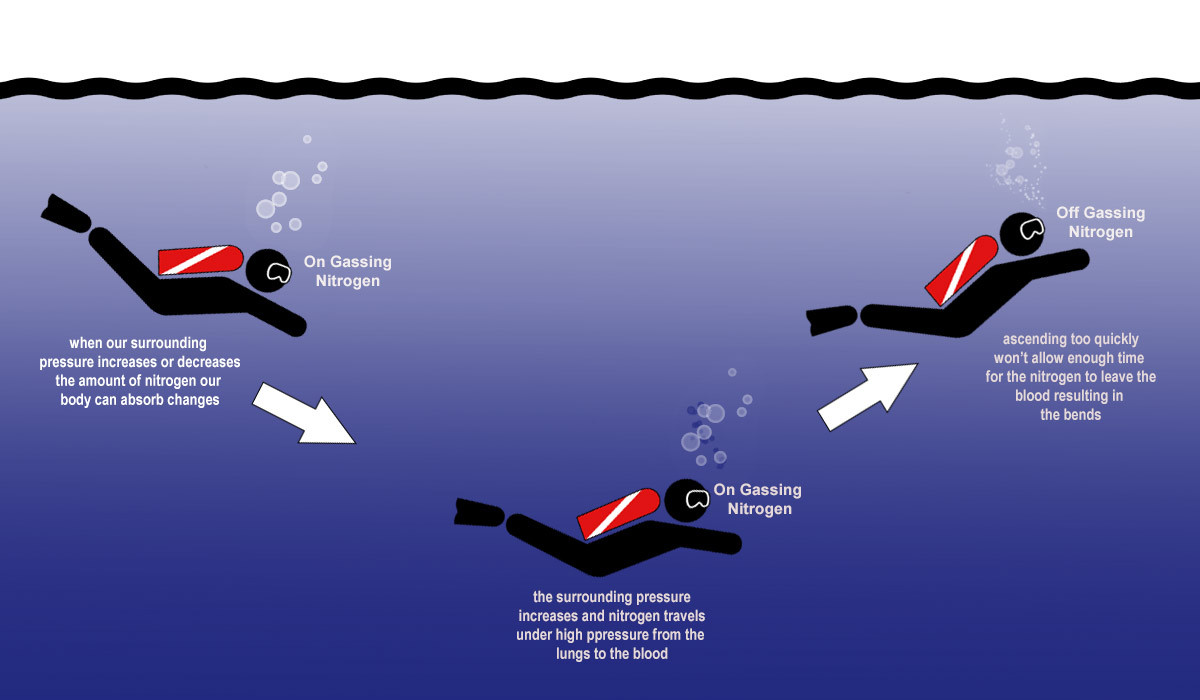
Going to altitude after diving may be a problem because…. The very short explanation is that we absorb 'Nitrogen' when we scuba dive. This means we need to slowly release it when we get back to sea level, the equivalent of 1 bar of pressure. If we go to altitude, the atmospheric pressure drops and we are at increased risk of decompression.
Ask DAN How Long Should I Wait to Fly After Scuba Diving? Epic Diving
1. Reply. canada432 • 12 yr. ago. Its recommended that you wait 18 hours before flying, and that's going to be 30,000ft or more. If you're only going to 6000 feet max, and you've spent 3 hours before going to 1500 feet and another 4 before the next ascent you will in all likelihood be fine.
SSI Altitude Diver Scuba Diving Ottawa YouTube

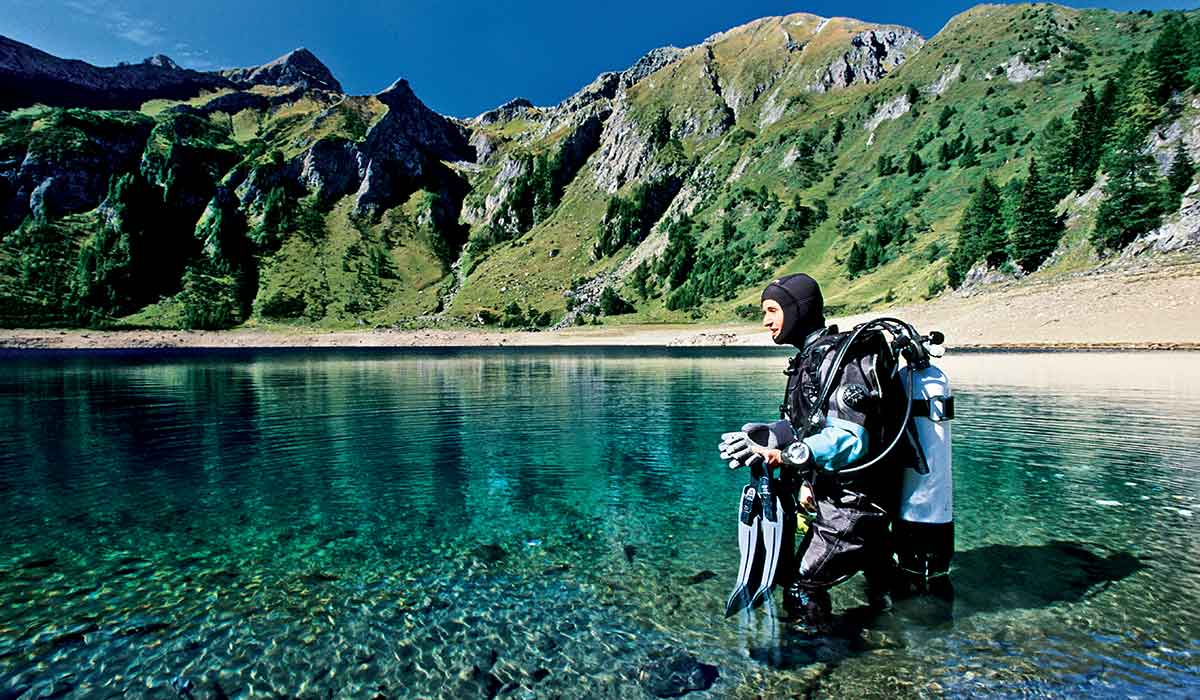
Going to altitude after diving is therefore a possible problem, because the lower pressure can increase the risk of DCS. If you will be flying after diving (or going to altitude by driving over a mountain pass, etc.), or diving at altitude (in a mountain lake), you follow special recommendations and procedures to account for the reduced pressure.
Altitude Diving The Ultimate Guide to Thrills
Going to altitude after diving may be a problem because; I've just finished a single no stop dive with my buddy. We have not been diving in the past several days, and this is the only dive we make. Based on current recommendations, the minimum surface interval before we fly is; 4.
Avoiding Risk Altitude Exposure After Diving YouTube

Driving to altitude after diving may be a problem because you may still be decompressing from your dive. It takes time to decompress, and the length of time depends on a number of factors. But what you don't want is to drive to altitude right after a dive without a long enough surface interval, otherwise you risk decompression sickness.
Popular Altitude Diving Spots That You Should Check Out Crave Magazine

Going to altitude after diving may be a problem because the Begin and end. The difference between flying after diving and altitude diving is that when flying after diving, I go to altitude after a dive, and in altitude diving, I _____ at altitude. 18 Hours.
Altitude Diver PADI
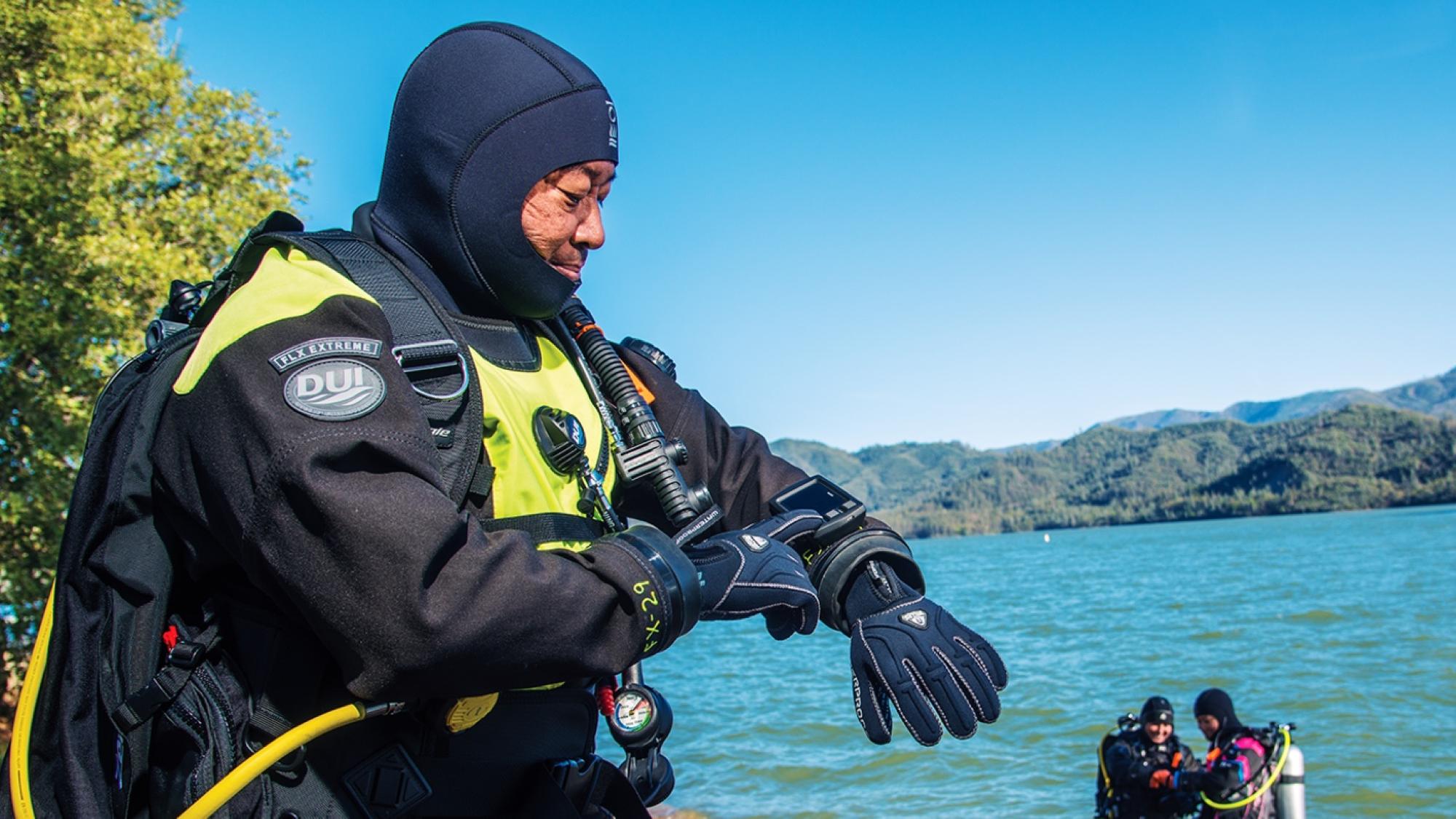
Going to altitude after diving may be a problem because the a. lower pressure can increase DCS risk b. higher pressure can increase DCS risk c. lower pressure can increase oxygen problems d. higher pressure can increase oxygen problems. a. The difference between flying after diving and altitude diving is that when flying after diving, I go to.
FlyingAfterDiving

Going to altitude after diving may be a problem because the A. Lower pressure can increase DCS risk. Cold and/or strenuous dives may be a problem win respect to DCS risk because A. I may end the dives with more dissolved nitrogen than calculated by dive computer or tables B. It is easier to ascend too fast when I make a cold or strenuous dive
ALTITUDE DIVING AZZURRO
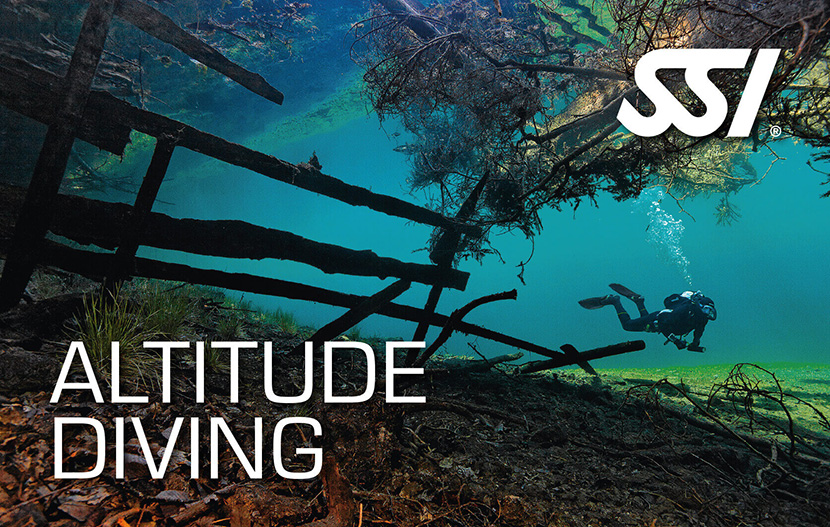
Scuba Diving > Knowledge Review 5 > Flashcards. 1. Q. Going to altitude after diving may be a problem because. A. Dive computers read too deep at altitude. B. Oxygen toxicity problems result from the thinner air. C. Most decompression models are based on surfacing at sea level. A.
10 Things You Should Never Do Immediately After Diving
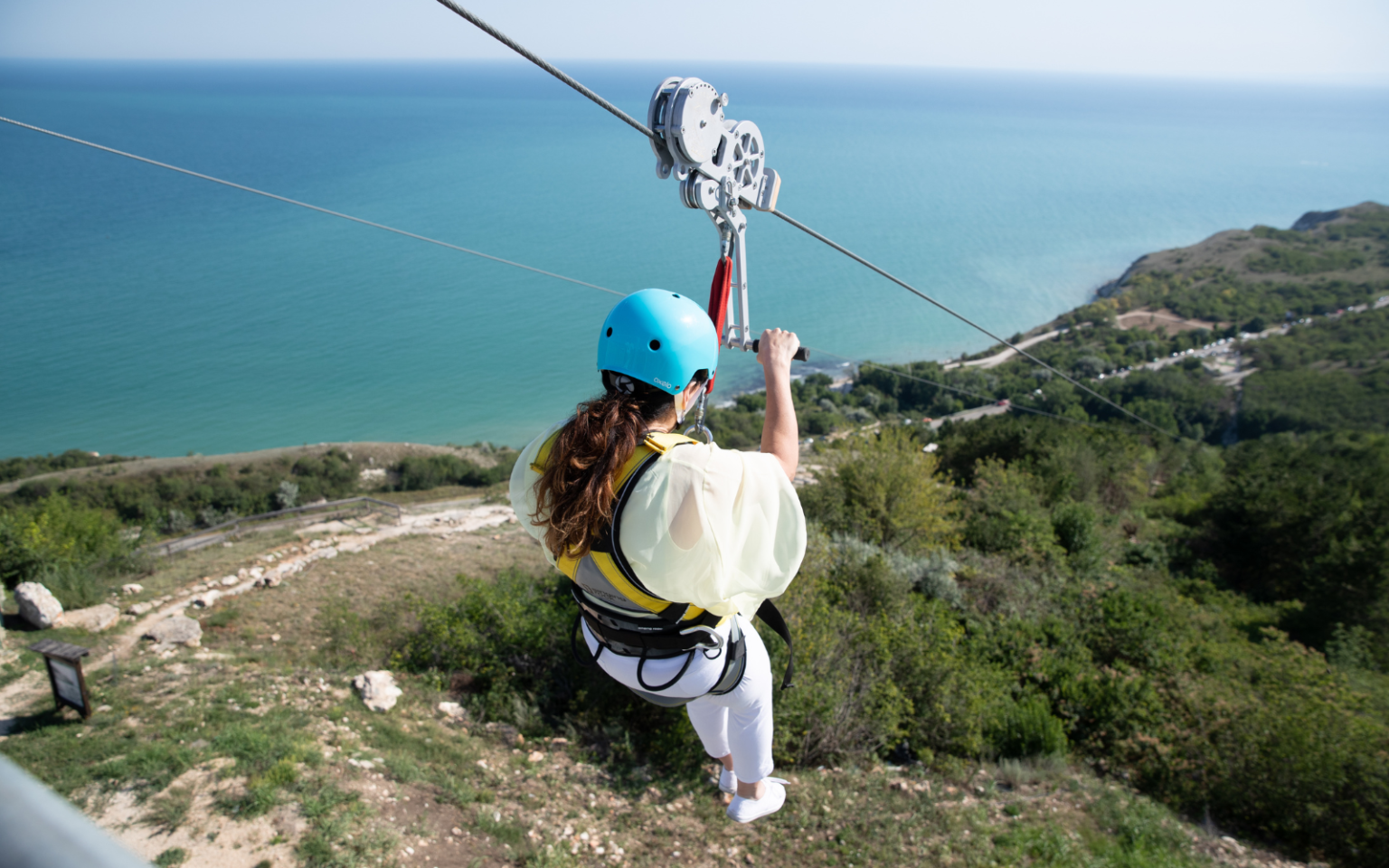
Altitude Sickness: The decrease in oxygen levels at altitude can lead to altitude sickness, with symptoms ranging from mild to severe.These may include headache, nausea, dizziness, fatigue, and shortness of breath. Decompression Sickness: If you ascend to altitude too soon after diving, the excess nitrogen in your body can form bubbles in your bloodstream, causing decompression sickness.
Scuba Diving At Altitude [video] For Scuba Divers

Going to altitude after diving may be a problem because the. lower pressure can increases DCS risk. T/F: The difference between flying after diving and altitude diving is that when flying after diving, I go to altitude after a dive, and in altitude diving, I begin and end a dive at altitude.
Danger Hidden Hazards of Flying After Diving

a,b,c,d, Going to altitude after diving may be a problem because. a. dive computers read too deep at altitude. b. oxygen toxicity problems result from the thinner air. c. most decompression models are based on surfacing at sea level. c. I've just finished a single no stop dive with my buddy.
Diving And Altitude Sickness What You Need To Know DesertDivers

The United States Air Force: U.S. Air Force has recommended a strict minimum waiting period of 24 hours after scuba diving before you can fly. After going through the waiting periods mentioned above, it'd be safe to say that you should wait for at least 24 hours before you drive to high altitude or fly after scuba diving.
Diving and Altitude • Scuba Diver Life
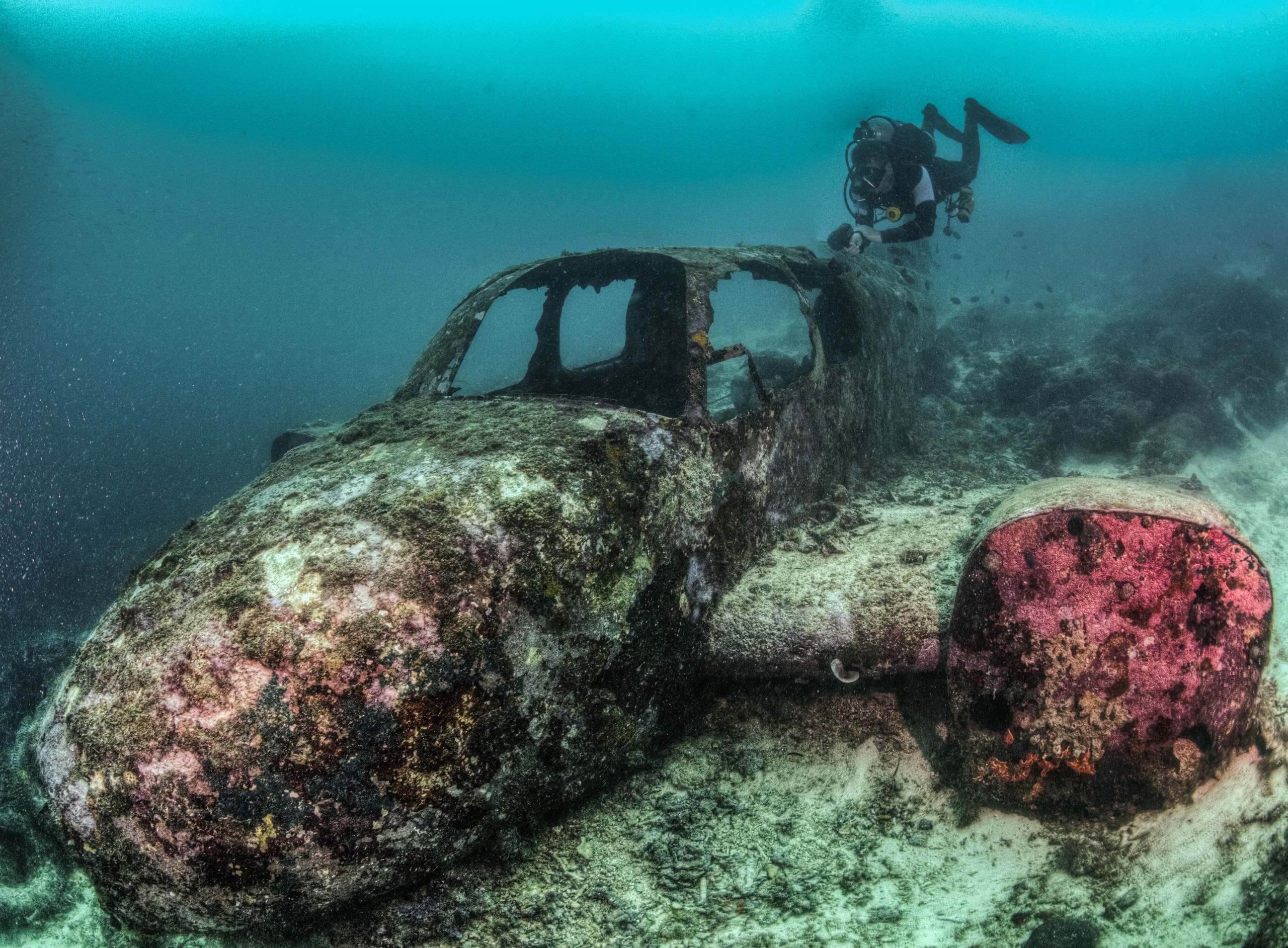
When planning a scuba diving trip, you must take into consideration how soon you'll be flying after a diving session. Going to altitude after diving may be a problem because it may cause decompression sickness. So before you book your flights, consider how many dives you'll be doing, the type of dives, and when you'll finish your last.