What is Unconscious Bias? (+How to Avoid It in the Workplace)
However, micro-inequities, because of unconscious bias, flourish. The fact that they are considered micro doesn't make them less reprehensible but does make them harder to be identified and penalized. Although the leaders and faculty in my residency program were very supportive, I had to deal with micro-inequities that came from a variety of.
Unmasking Microinequities CFRAC

A crucial step toward an inclusive work environment is developing an awareness and understanding of biases that can unconsciously influence how we work and interact with people. We all have unconscious biases based on our experiences, influences, background, education and even brain chemistry. Biases play out in the workplace through micro.
See Unconscious Bias Understanding Bias to Unleash Potential featuring Mark Murphy at BYU
Micro-inequities occur wherever people are perceived to be 'different'.". Micro-inequities are also referred to as micro-behaviours or micro-aggressions. The 'micro' is not used to portray them as being inconsequential but as small, almost indiscernible actions, gestures or facial expressions. Being subtle, they are hard to prove and.
Implicit Bias in Healthcare We Can All Do Better Elderwise Inc Blog

This wider of set of micro-behaviors includes events resulting from unconscious bias, negligence, thoughtlessness, lack of skills or knowledge, and accidents, as well as those that are hostile or aggressive. This wider set, including micro-aggressions, was named micro-inequities.
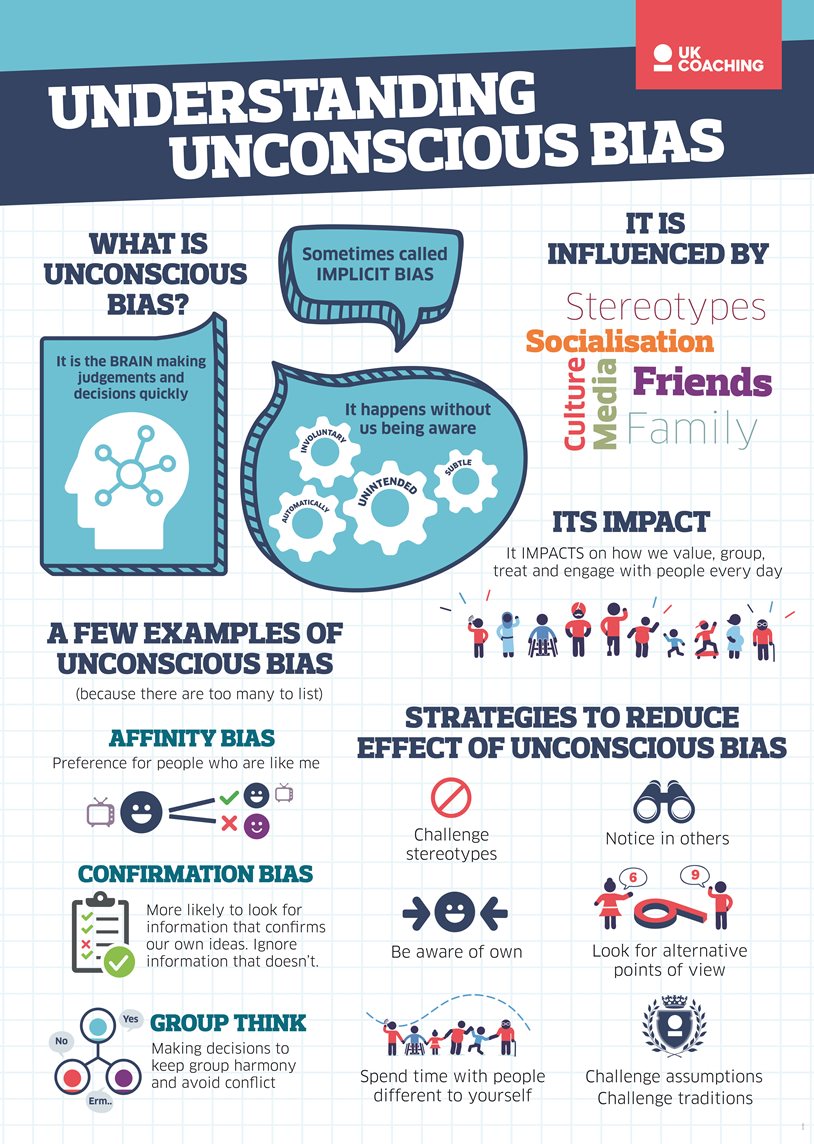
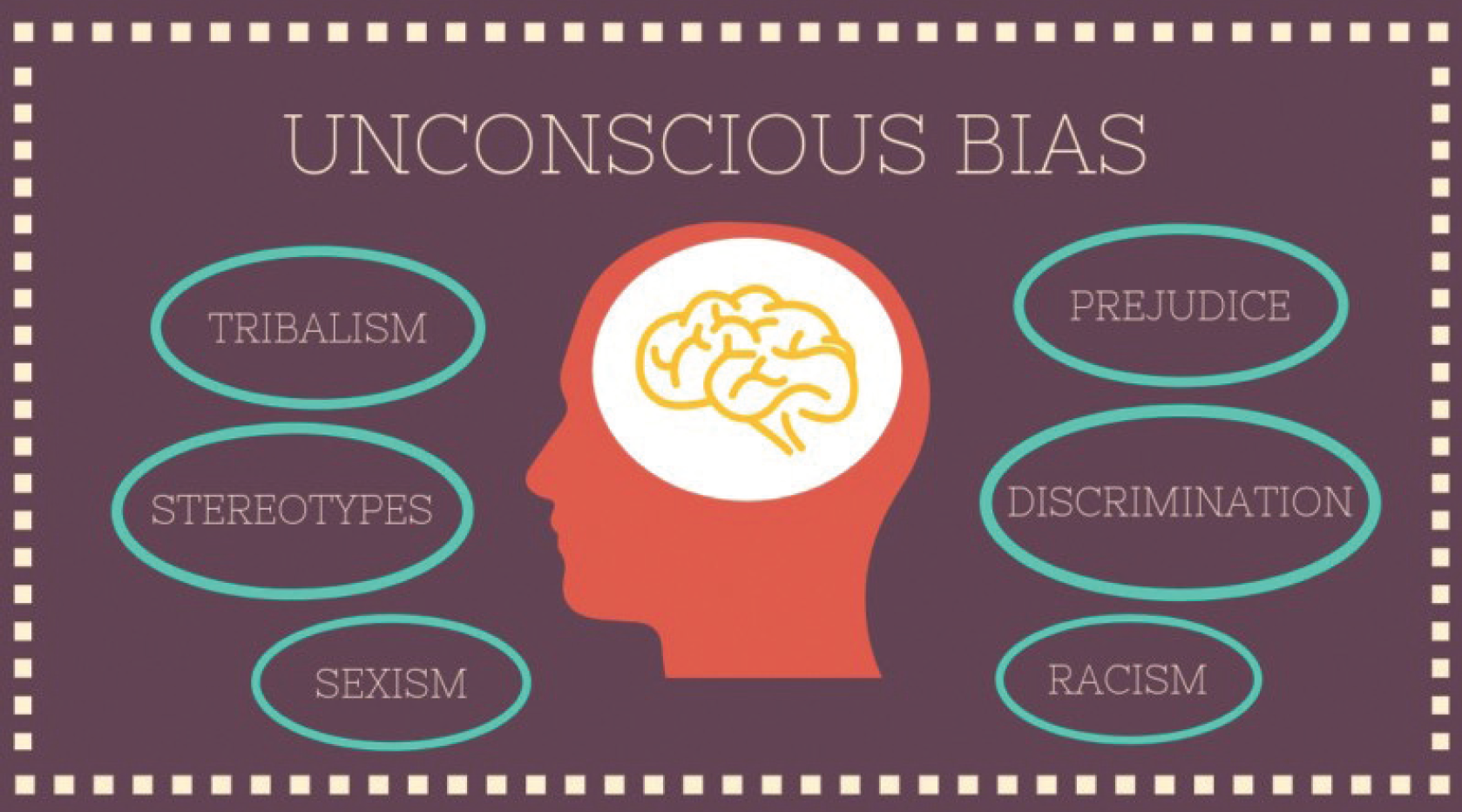
Unconscious Bias Chart
Microaggressions, the insensitive statements, questions, or assumptions aimed at traditionally marginalized identity groups can happen to anyone, of any background, at any professional level. The.
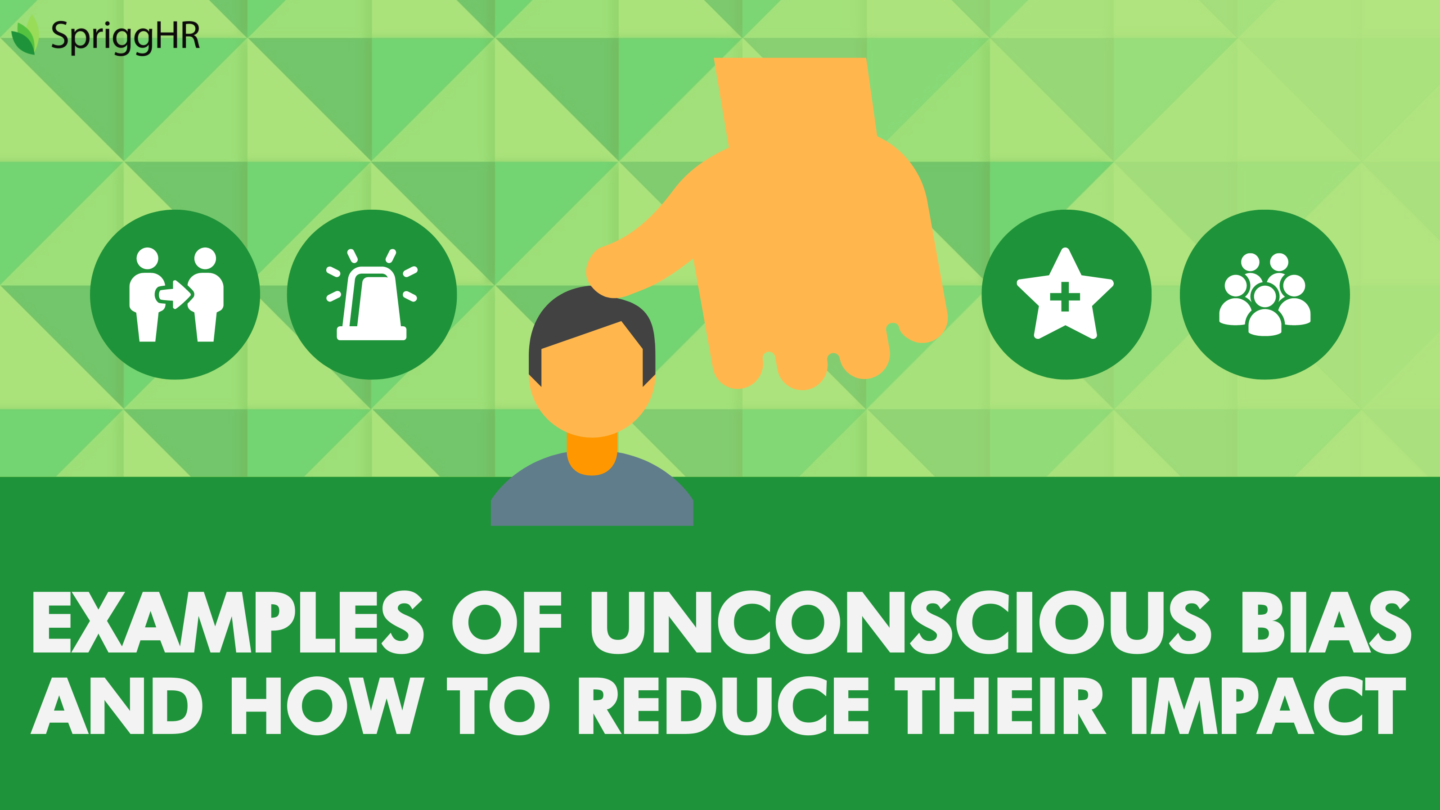
Examples of Unconscious Bias and How to Reduce Their Impact • SpriggHR
Micro-inequities are subtle, often unconscious, and unintentional behaviours or actions that communicate bias, prejudice, or disrespect to individuals in marginalized or underrepresented groups. They are the subtle, everyday slights, divisions and exclusions that many people say or do without a second thought.
MicroInequities The Impact of Small YouTube
The Power and Impact of Unconscious Bias and Micro Messages for Employees: Understanding the challenge of unconscious bias is important in a diverse, rapidly changing and complex society. Learning to recognize decisions based upon unconscious bias is essential. This three and one-half hours course will help staff members understand the component.
What is the Difference Between Conscious and Unconscious Bias
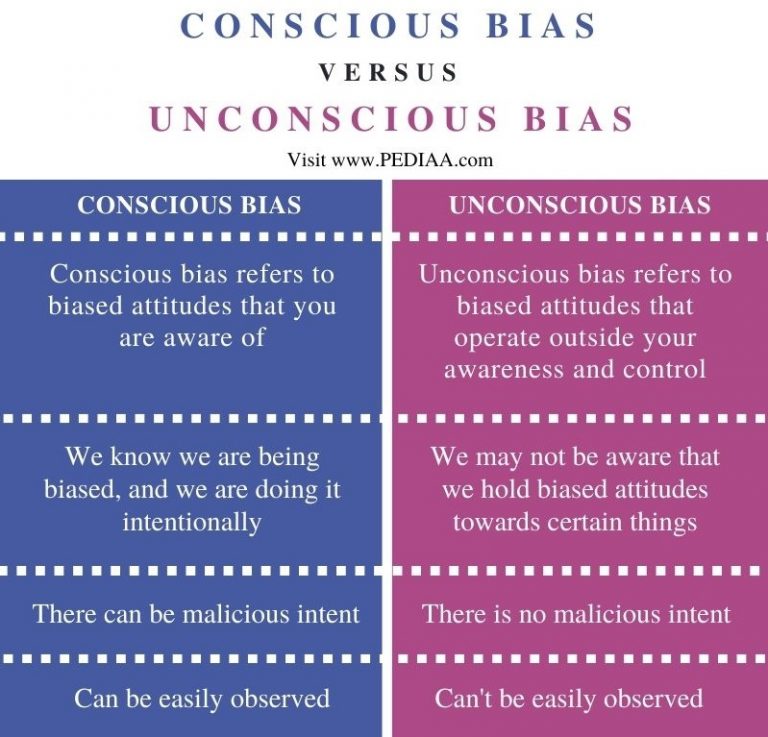
Micro-inequity. A Micro-inequity is a small, often overlooked act of exclusion or bias that could convey a lack of respect, recognition, or fairness towards marginalized individuals. These acts can manifest in various ways, such as consistently interrupting or dismissing the contributions of a particular group during meetings or discussions.
Unconscious Bias Examples and How to Them Betterworks
Consciously Overcoming Unconscious Bias™ is a conversational, easy-to-use program that shows how unconscious bias, micro-inequities, and micro-affirmations overlap in the workplace. It presents all three of these timely topics together, so they're simple to understand. This 8-minute program first helps participants to recognize their own biases and the micro-inequities that express them, and.
How to consciously identify your unconscious biases in the workplace Together Mentoring Software

Description. In this session, Rolf Moses, Chief Executive Officer, of the Queensland Law Society discusses unconscious bias and micro-inequities. As an example, micro-inequities are subtle and often unconsciously communicated messages that devalue, discourage and impair workplace performances. They function as the core of how unconscious bias.
Unconscious Bias and Microaggression Purple Ink HR JoyPowered® HR Services in Indianapolis

analyses about unconscious sexism. There have been hundreds of studies of micro-aggressions, micro-inequities, and unconscious bias. These studies help us to understand the persistence—and effects—of racism, religious and ethnic bias, homophobia, and discrimination against those with disabilities—as well
[PDF] The Impact of Unconscious Bias in Healthcare How to Recognize and Mitigate It. Semantic

Define and identify micro-inequities and micro-affirmations. Identify ways micro-inequities may be at work in everyday life, relationships, and in the healthcare setting.. "Unconscious bias is an automatic tendency for people to perceive others, situations, and events in stereotypical ways which affect our understandings, actions and.
Addressing & Managing Unconscious Bias The Diversity Movement
On Wednesday, July 21, we were honored to sponsor a seminar on MicroInequities: Managing Unconscious Bias™ with Stephen Young for members of the FourBlock community. We were joined by board members, staff, National Leadership Council members, instructors, and students from across the country for this powerful two-hour presentation.
25 Unconscious Bias Examples (2024)

Oftentimes if certain concepts are more closely paired in your mind, then it will be easier for you to make that association. Your response will be faster. When the pairing is less familiar to you.
Demystifying Unconscious Bias for Marketers Consciously Canon Your Guide to Stakeholder Marketing

In the Unconscious Bias and Micro-Inequities module, you will learn: The science of bias. Testing "automatic assumptions". Examples of unconscious bias in research. How to go from micro-inequities to micro-affirmations. The ARTS of inclusion: Appreciation, Respect, Trust & Sensitivity.
What Is Unconscious Bias, and How Do We Fix It? J&J Editorial
MIT professor Mary Rowe explains that unconscious biases are revealed through micro-inequities, the small, seemingly insignificant behaviors that have a corrosive effect on the. instances of unconscious bias are subtle and not covered by current laws - Conduct an internal or industry-wide resume study, similar to the one by MIT and